Buy pyroseller.eu ?
We are moving the project
pyroseller.eu .
Are you interested in purchasing the domain
pyroseller.eu ?
domain@kv-gmbh.de · 0541-91531010
Buy pyroseller.eu ?
What is the total magnification of the microscope?
The total magnification of a microscope is calculated by multiplying the magnification of the eyepiece by the magnification of the objective lens. For example, if the eyepiece has a magnification of 10x and the objective lens has a magnification of 40x, then the total magnification would be 10x * 40x = 400x. This means that the image seen through the microscope is magnified 400 times larger than its actual size. **
How do you calculate the total magnification of a microscope?
To calculate the total magnification of a microscope, you multiply the magnification of the objective lens by the magnification of the eyepiece. For example, if the objective lens has a magnification of 10x and the eyepiece has a magnification of 20x, the total magnification would be 10x * 20x = 200x. This formula helps determine the overall magnification power of the microscope when both lenses are used together. **


Similar search terms for Digital-Coin-Microscope-Magnification
Top-Angebote
Products related to Digital-Coin-Microscope-Magnification:
-
Uplift Essentials Auto Focus Digital Microscope 500x Magnification 2MP Portable Lens High Yield Jewelry & Watch Repair Hub Auto Focus Digital Microscope 500x Magnification 2MP Portable Lens High Yield Jewelry & Watch Repair HubAchieve visual optimization with the Auto Focus Digital Microscope. Specifically engineered for imaging transparency, this highperformance optical tool acts as a vital tool for inspection efficiency, neutralizing the limitations of traditional...129,97 $*Shipping: 0,00 $Secure redirect to the provider
-
GreatGadgets LLC Electronic Microscope, Camera For PCB Soldering, Phone Repair & Circuit Board Magnification Electronic Microscope, Camera For PCB Soldering, Phone Repair & Circuit Board MagnificationUnlock precise, highdefinition magnification with the Hayve 7 Digital Microscopeengineered for professionals, hobbyists, and DIY repair enthusiasts. Whether you're soldering tiny components, inspecting circuit boards, or repairing smartphones, this...159,97 $*Shipping: 0,00 $Secure redirect to the provider
-
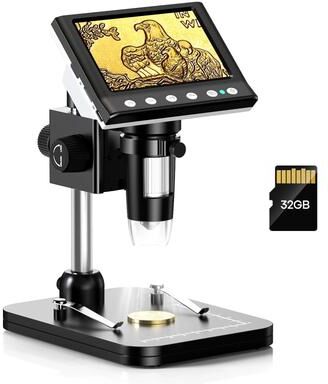
Uplifted Goods Digital Coin Microscope With 4.3 Inch Screen And 1000X Zoom For Soldering And Inspection with Sd CardDiscover a new level of detail with this Digital Coin Microscope, featuring a 4.3 inch HD screen, 1000X zoom, and 1080P video capture for clear and precise magnification. Ideal for hobbyists, tech repair, collectors, and educators, this compact tool...166,97 $*Shipping: 0,00 $Secure redirect to the provider
-
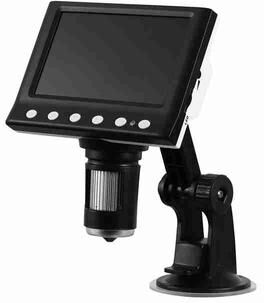
Fusion Finds RIEVBCAU DM7 Digital Microscope 4.3 LCD 1000X Magnification W 1080P Camera 8 LED Lights For Coin Collecting & Solderings dm7 b"ProfessionalGrade Magnification at Your Fingertips!The RIEVBCAU DM7 Digital Microscope transforms your inspection work with crystalclear 1000X magnification and a vibrant 4.3"" LCD screen. Whether you're a coin collector, electronics technician, or..."84,97 $*Shipping: 0,00 $Secure redirect to the provider


-
At what magnification is blood usually observed under the optical light microscope?
Blood is usually observed under the optical light microscope at a magnification of 400x to 1000x. This level of magnification allows for the visualization of individual blood cells, such as red blood cells, white blood cells, and platelets. It also enables the examination of the morphology and characteristics of these cells, which is important for diagnostic and research purposes. **
-
What magnification is necessary on the microscope to clearly visualize a cell's plasmid?
To clearly visualize a cell's plasmid, a magnification of at least 100x is typically necessary. This level of magnification allows for a detailed view of the plasmid within the cell. Higher magnifications, such as 400x or 1000x, may be used for even more precise examination of the plasmid's structure and features. **
-
Why do we always start with the lowest magnification when using a microscope?
We start with the lowest magnification when using a microscope because it provides a wider field of view, making it easier to locate the specimen and focus on it. Starting with a lower magnification also helps in getting an overall understanding of the sample's structure and orientation before moving on to higher magnifications for more detailed observations. Additionally, using the lowest magnification reduces the risk of accidentally damaging the lens or the specimen when adjusting the focus or moving the slide. **
-
How much magnification is needed in a microscope to be able to see bacteria?
To be able to see bacteria, a microscope with a magnification of at least 1000x is needed. Bacteria are very small, typically ranging in size from 0.2 to 10 micrometers, and are not visible to the naked eye. Therefore, a high level of magnification is necessary to observe their detailed structure and characteristics. Microscopes with lower magnification levels would not provide the necessary resolution to clearly visualize bacteria. **


What magnification is necessary on the microscope to clearly see the plasmid of a cell?
To clearly see the plasmid of a cell, a magnification of at least 100x is typically necessary. This level of magnification allows for the visualization of the plasmid structure and details. Higher magnifications, such as 1000x, may be used for more detailed examination of the plasmid, depending on the specific research or analysis requirements. **
Can I place a lens in front of a digital microscope?
Yes, you can place a lens in front of a digital microscope to change its magnification and field of view. By adding a lens, you can increase the magnification of the digital microscope, allowing you to see smaller details. However, it's important to ensure that the lens is compatible with the digital microscope and that it does not distort the image quality. Additionally, you may need to adjust the focus and positioning of the lens to achieve the desired results. **
Top-Angebote
Products related to Digital-Coin-Microscope-Magnification:
-
Fusion Finds RIEVBCAU DM7 Digital Microscope 4.3 LCD 1000X Magnification W 1080P Camera 8 LED Lights For Coin Collecting & Solderings dm7 z01c"ProfessionalGrade Magnification at Your Fingertips!The RIEVBCAU DM7 Digital Microscope transforms your inspection work with crystalclear 1000X magnification and a vibrant 4.3"" LCD screen. Whether you're a coin collector, electronics technician, or..."84,97 $*Shipping: 0,00 $Secure redirect to the provider
-
Inspired Finds RIEVBCAU DM7 4.3 Inch 1000X Digital Microscope 1080P Video Coin And Soldering Inspection microscope With Metal StandExplore tiny details invisible to the naked eye with a digital microscope that combines high magnification, crisp video capture, and versatile viewing for hobbyists and professionals alike. The RIEVBCAU DM7 offers up to 1000X magnification with a...89,99 $*Shipping: 0,00 $Secure redirect to the provider
-
Uplift Essentials Auto Focus Digital Microscope 500x Magnification 2MP Portable Lens High Yield Jewelry & Watch Repair Hub Auto Focus Digital Microscope 500x Magnification 2MP Portable Lens High Yield Jewelry & Watch Repair HubAchieve visual optimization with the Auto Focus Digital Microscope. Specifically engineered for imaging transparency, this highperformance optical tool acts as a vital tool for inspection efficiency, neutralizing the limitations of traditional...129,97 $*Shipping: 0,00 $Secure redirect to the provider
-
GreatGadgets LLC Electronic Microscope, Camera For PCB Soldering, Phone Repair & Circuit Board Magnification Electronic Microscope, Camera For PCB Soldering, Phone Repair & Circuit Board MagnificationUnlock precise, highdefinition magnification with the Hayve 7 Digital Microscopeengineered for professionals, hobbyists, and DIY repair enthusiasts. Whether you're soldering tiny components, inspecting circuit boards, or repairing smartphones, this...159,97 $*Shipping: 0,00 $Secure redirect to the provider
-
What is the total magnification of the microscope?
The total magnification of a microscope is calculated by multiplying the magnification of the eyepiece by the magnification of the objective lens. For example, if the eyepiece has a magnification of 10x and the objective lens has a magnification of 40x, then the total magnification would be 10x * 40x = 400x. This means that the image seen through the microscope is magnified 400 times larger than its actual size. **
-
How do you calculate the total magnification of a microscope?
To calculate the total magnification of a microscope, you multiply the magnification of the objective lens by the magnification of the eyepiece. For example, if the objective lens has a magnification of 10x and the eyepiece has a magnification of 20x, the total magnification would be 10x * 20x = 200x. This formula helps determine the overall magnification power of the microscope when both lenses are used together. **
-
At what magnification is blood usually observed under the optical light microscope?
Blood is usually observed under the optical light microscope at a magnification of 400x to 1000x. This level of magnification allows for the visualization of individual blood cells, such as red blood cells, white blood cells, and platelets. It also enables the examination of the morphology and characteristics of these cells, which is important for diagnostic and research purposes. **
-
What magnification is necessary on the microscope to clearly visualize a cell's plasmid?
To clearly visualize a cell's plasmid, a magnification of at least 100x is typically necessary. This level of magnification allows for a detailed view of the plasmid within the cell. Higher magnifications, such as 400x or 1000x, may be used for even more precise examination of the plasmid's structure and features. **
Similar search terms for Digital-Coin-Microscope-Magnification
-
Uplifted Goods Digital Coin Microscope With 4.3 Inch Screen And 1000X Zoom For Soldering And Inspection with Sd CardDiscover a new level of detail with this Digital Coin Microscope, featuring a 4.3 inch HD screen, 1000X zoom, and 1080P video capture for clear and precise magnification. Ideal for hobbyists, tech repair, collectors, and educators, this compact tool...166,97 $*Shipping: 0,00 $Secure redirect to the provider
-
Fusion Finds RIEVBCAU DM7 Digital Microscope 4.3 LCD 1000X Magnification W 1080P Camera 8 LED Lights For Coin Collecting & Solderings dm7 b"ProfessionalGrade Magnification at Your Fingertips!The RIEVBCAU DM7 Digital Microscope transforms your inspection work with crystalclear 1000X magnification and a vibrant 4.3"" LCD screen. Whether you're a coin collector, electronics technician, or..."84,97 $*Shipping: 0,00 $Secure redirect to the provider
-
Fusion Finds RIEVBCAU DM7 Digital Microscope 4.3 LCD 1000X Magnification W 1080P Camera 8 LED Lights For Coin Collecting & Solderings dm7 b1"ProfessionalGrade Magnification at Your Fingertips!The RIEVBCAU DM7 Digital Microscope transforms your inspection work with crystalclear 1000X magnification and a vibrant 4.3"" LCD screen. Whether you're a coin collector, electronics technician, or..."84,97 $*Shipping: 0,00 $Secure redirect to the provider
-
Inspired Finds RIEVBCAU DM7 4.3 Inch 1000X Digital Microscope 1080P Video Coin And Soldering Inspection microscope With Precision StanExplore tiny details invisible to the naked eye with a digital microscope that combines high magnification, crisp video capture, and versatile viewing for hobbyists and professionals alike. The RIEVBCAU DM7 offers up to 1000X magnification with a...121,99 $*Shipping: 0,00 $Secure redirect to the provider
-
Why do we always start with the lowest magnification when using a microscope?
We start with the lowest magnification when using a microscope because it provides a wider field of view, making it easier to locate the specimen and focus on it. Starting with a lower magnification also helps in getting an overall understanding of the sample's structure and orientation before moving on to higher magnifications for more detailed observations. Additionally, using the lowest magnification reduces the risk of accidentally damaging the lens or the specimen when adjusting the focus or moving the slide. **
-
How much magnification is needed in a microscope to be able to see bacteria?
To be able to see bacteria, a microscope with a magnification of at least 1000x is needed. Bacteria are very small, typically ranging in size from 0.2 to 10 micrometers, and are not visible to the naked eye. Therefore, a high level of magnification is necessary to observe their detailed structure and characteristics. Microscopes with lower magnification levels would not provide the necessary resolution to clearly visualize bacteria. **
-
What magnification is necessary on the microscope to clearly see the plasmid of a cell?
To clearly see the plasmid of a cell, a magnification of at least 100x is typically necessary. This level of magnification allows for the visualization of the plasmid structure and details. Higher magnifications, such as 1000x, may be used for more detailed examination of the plasmid, depending on the specific research or analysis requirements. **
-
Can I place a lens in front of a digital microscope?
Yes, you can place a lens in front of a digital microscope to change its magnification and field of view. By adding a lens, you can increase the magnification of the digital microscope, allowing you to see smaller details. However, it's important to ensure that the lens is compatible with the digital microscope and that it does not distort the image quality. Additionally, you may need to adjust the focus and positioning of the lens to achieve the desired results. **
* All prices are inclusive of VAT and, if applicable, plus shipping costs. The offer information is based on the details provided by the respective shop and is updated through automated processes. Real-time updates do not occur, so deviations can occur in individual cases. ** Note: Parts of this content were created by AI.