Buy pyroseller.eu ?
We are moving the project
pyroseller.eu .
Are you interested in purchasing the domain
pyroseller.eu ?
domain@kv-gmbh.de · 0541-91531010
Buy pyroseller.eu ?
What is the fuel efficiency class of a tire?
The fuel efficiency class of a tire is a rating that indicates how well the tire can contribute to reducing fuel consumption. It is measured on a scale from A (most efficient) to G (least efficient), with A being the most fuel-efficient class. Tires with a higher fuel efficiency class can help improve a vehicle's fuel economy and reduce carbon emissions. It is an important factor to consider when choosing tires for your vehicle. **
What is the fuel efficiency of a gasoline engine?
The fuel efficiency of a gasoline engine is typically measured in miles per gallon (MPG) or liters per 100 kilometers (L/100km). This measures how far a vehicle can travel on a certain amount of fuel. The fuel efficiency of a gasoline engine can vary depending on factors such as the vehicle's make and model, driving conditions, and maintenance. Generally, newer gasoline engines are designed to be more fuel efficient than older models due to advancements in technology and engineering. **

Similar search terms for Fuel-efficiency
Top-Angebote
Products related to Fuel-efficiency:
-
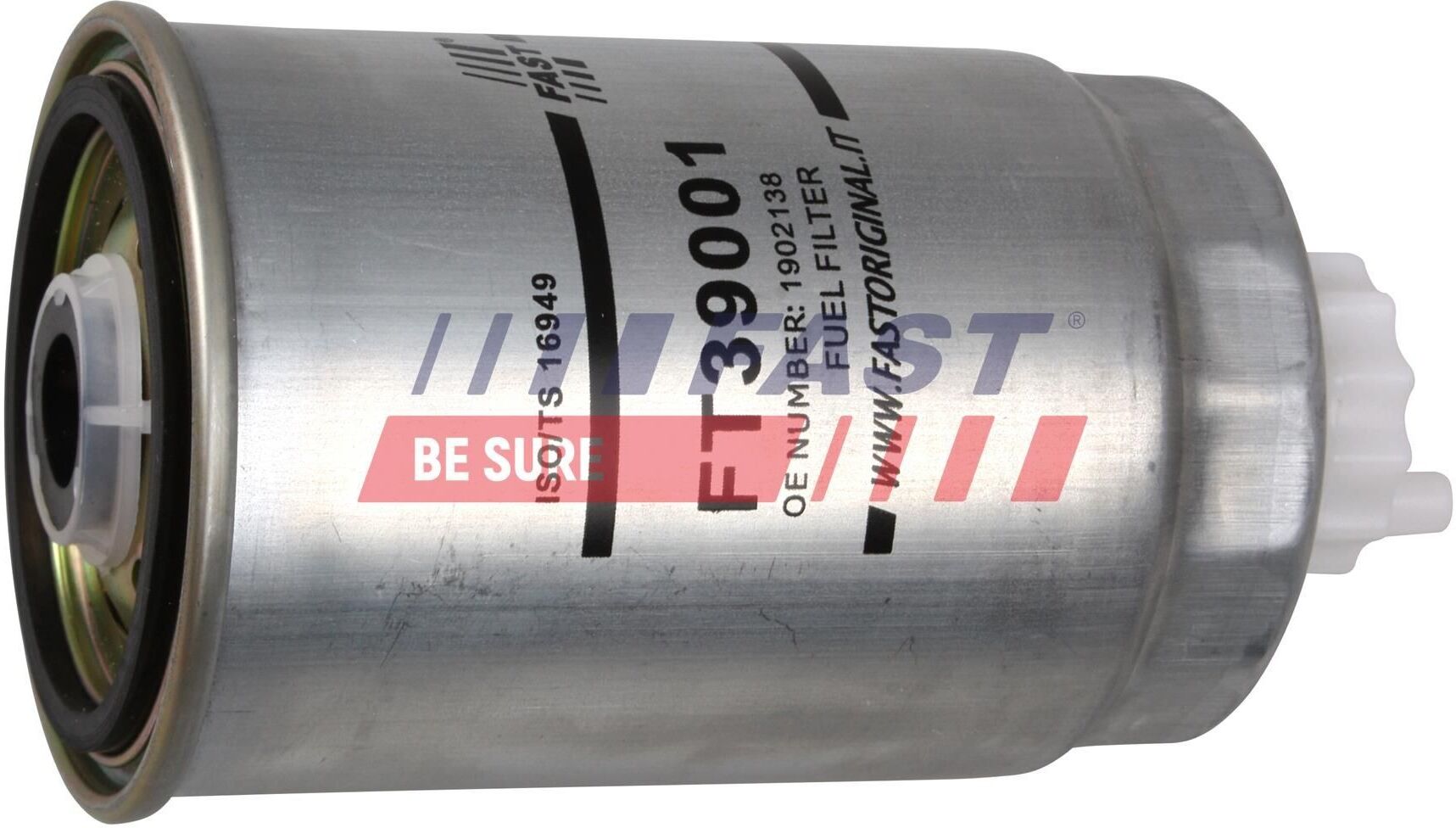
FAST FT39001 Fuel filterHeight: 158; Thread Size: M16x1,5; Outer Diameter [mm]: 81; Filter type: Spin-on Filter, with water drain screw; Filter type: with water drain screw; Outer Diameter 2 [mm]: 70; Inner Diameter 2 [mm]: 62; Construction Year to: 12/1992, 02/1984, 07/1987, 04/1986, 12/1990; Vehicle Identification Number (VIN) from: J2661242 + J5148466; Manufacturer Restriction: Bosch; Engine Code: CP, 8040.25B.4200, 8040.25X.4000TC, 8040.45.4000TCA, 8040.45.4000, 8060.25R.4200, 8060.25V.4000, 8060.45.4100, 8060.25R.4280, 8060.25V.4080, 8060.25V.4080TC, 8060.25 V (TC), Fiat-8060.25., Fiat-8060.45., 8040.05.230, 8040.25.230 R, 8040.05.200, 8040.25.200, 8060.05.246, 8040.25.220, 8060.04.669, 8060.24.670/671, 8060.25.600, D 4A140, VW-1Y, Iveco 8140, VW AFD Turbodiesel, 8460.41 S, F3L 913, F4L 913, F4L 913T, 1000.3 WTE3, 1000.3 WTI2E3, 1000.4 WTI2E3, 1000.3-WT EURO 3, 1000.3-WTI EURO 3, 1000.4-WTI EURO 3, Fiat, 8045.05/06, BF4M 1012EC, BF6M 1012E, 8065.06, 8055.05, 8065.05, 8065.25, C03/75, 8055.04, 8065.02, 8065.04, 8065.24, 8065, 8060.25, Iveco 8045.05, Iveco 8045.25 Turbo, Iveco, IVECO 8045.25R, IVECO 8045.25S, Iveco 8045.45, Iveco 8045.05 Turbo, 903.27, 903.27T, Perkins 1004-42, Perkins 1004-40T; for OE number: 0.009.4687.0, 19300101, 19300106,29 £*Shipping: 8,45 £Secure redirect to the provider
-
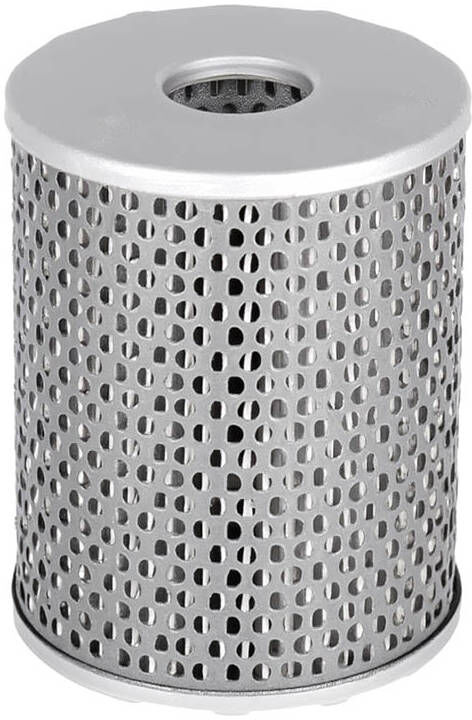
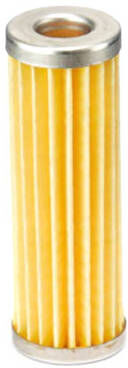
UFI 26.604.00 Fuel filterFilter type: Filter Insert; Height: 142; Outer Diameter [mm]: 82; Inner Diameter 1 [mm]: 14; Inner Diameter 2 [mm]: 14; for OE number: 81.12503.0018, 42522696; Manufacturer Restriction: 9, 2; Construction Year to: 07/1989, 08/1996, 10/1992, 02/2001, 09/1985, 06/1992, 06/1997, 08/1970, 08/2004; Construction Year from: 01/1988, 01/1991, 07/1989, 01/1990, 05/1983, 02/1990, 09/1991, 05/1994, 05/1990; Engine Number to: 198966,59 £*Shipping: 8,45 £Secure redirect to the provider
-
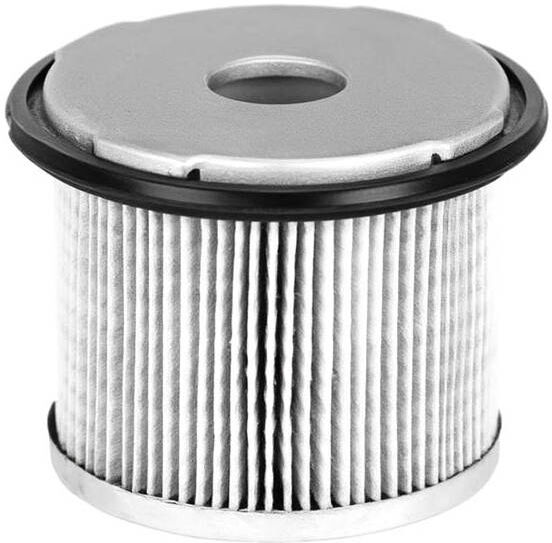
UFI 26.682.00 Fuel filterFilter type: Filter Insert; Height: 83; Outer Diameter [mm]: 65; Outer Diameter 1 [mm]: 80; Inner Diameter 1 [mm]: 14; Construction Year from: 12/1996, 11/1996; VET Number from: 7303; Construction Year to: 03/1999, 12/1999, 04/2000; TecDoc Engine Number: 4281; Engine Code: XUD11BTE7,29 £*Shipping: 8,45 £Secure redirect to the provider

-
What is the relationship between efficiency and fuel consumption in physics?
In physics, the relationship between efficiency and fuel consumption is often described by the concept of energy conversion. Efficiency is a measure of how well a system converts input energy into useful output energy, while fuel consumption is a measure of the amount of fuel needed to produce a certain amount of energy. Generally, higher efficiency means lower fuel consumption, as a more efficient system requires less fuel to produce the same amount of energy output. This relationship is important in designing and optimizing energy systems, such as engines and power plants, to minimize fuel consumption and maximize energy efficiency. **
-
How do stricter environmental regulations requiring higher fuel efficiency affect the automotive industry?
Stricter environmental regulations requiring higher fuel efficiency in the automotive industry can have both positive and negative impacts. On one hand, it can drive innovation and the development of more fuel-efficient technologies, leading to cleaner vehicles and reduced emissions. However, it can also increase production costs for automakers, potentially leading to higher prices for consumers. Additionally, it may require significant investments in research and development to meet these regulations, which could impact the profitability of some companies. **
-
What fuel do small rockets use?
Small rockets typically use liquid or solid propellants as fuel. Liquid propellants, such as liquid oxygen and kerosene, are stored separately and mixed together in the rocket engine to produce thrust. Solid propellants, on the other hand, consist of a mixture of fuel and oxidizer that are combined into a solid form and ignited to produce thrust. Both types of propellants are commonly used in small rockets for their simplicity and reliability. **
-
Is hydrogen really the best fuel for rockets?
Hydrogen is often considered the best fuel for rockets due to its high energy content and efficiency. When burned with oxygen, it produces a clean and powerful thrust, making it ideal for propulsion. Additionally, hydrogen is abundant and can be obtained from a variety of sources. However, there are also challenges associated with using hydrogen, such as the need for specialized storage and handling due to its low density and high flammability. Overall, while hydrogen has many advantages as a rocket fuel, the choice of the best fuel ultimately depends on the specific requirements and constraints of the mission. **

What is the fuel consumption with an efficiency of 30% and a quantity of 10 liters of gasoline?
With an efficiency of 30%, only 30% of the energy in the gasoline is actually used to power the vehicle. This means that 70% of the energy is lost as heat. So, out of the 10 liters of gasoline, only 3 liters (30% of 10 liters) are actually used to power the vehicle. The remaining 7 liters are wasted as heat. **
How do I calculate the efficiency of my car based on the work done and the fuel consumed?
To calculate the efficiency of your car, you can use the formula: Efficiency = (Work done) / (Fuel consumed). First, you need to measure the work done by your car, which can be calculated by multiplying the force applied to the car by the distance it travels. Then, measure the fuel consumed by your car in liters or gallons. Finally, divide the work done by the fuel consumed to get the efficiency of your car. This will give you a measure of how effectively your car is using fuel to perform work. **
Top-Angebote
Products related to Fuel-efficiency:
-
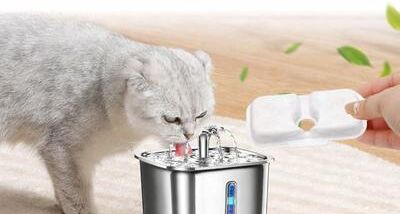
Drop Dash Deals Cat Water Fountain Filters For Pet Fountains Triple Filtration, High Efficiency Replacement Filter Cat Water Fountain Filters For Pet Fountains Triple Filtration, High Efficiency Replacement FilterKeep your pet's water fresh and clean with our Cat Water Fountain Filters. Specially designed for PETLIBRO 2.5L84oz fountains, this 20pack replacement filter ensures your furry friend always enjoys pure, filtered water. With a triple filtration...44,97 $*Shipping: 0,00 $Secure redirect to the provider
-
Uplift Essentials N50 High Efficiency Cat Litter Deodorizer Blocks N50 High Efficiency Cat Litter Deodorizer BlocksTake control of your homes air quality with the N50 cat litter deodorizer blocks. These professionalgrade odor eliminators are engineered to neutralize stubborn ammonia and waste smells at the source, rather than just masking them with heavy...142,97 $*Shipping: 0,00 $Secure redirect to the provider
-
FAST FT39001 Fuel filterHeight: 158; Thread Size: M16x1,5; Outer Diameter [mm]: 81; Filter type: Spin-on Filter, with water drain screw; Filter type: with water drain screw; Outer Diameter 2 [mm]: 70; Inner Diameter 2 [mm]: 62; Construction Year to: 12/1992, 02/1984, 07/1987, 04/1986, 12/1990; Vehicle Identification Number (VIN) from: J2661242 + J5148466; Manufacturer Restriction: Bosch; Engine Code: CP, 8040.25B.4200, 8040.25X.4000TC, 8040.45.4000TCA, 8040.45.4000, 8060.25R.4200, 8060.25V.4000, 8060.45.4100, 8060.25R.4280, 8060.25V.4080, 8060.25V.4080TC, 8060.25 V (TC), Fiat-8060.25., Fiat-8060.45., 8040.05.230, 8040.25.230 R, 8040.05.200, 8040.25.200, 8060.05.246, 8040.25.220, 8060.04.669, 8060.24.670/671, 8060.25.600, D 4A140, VW-1Y, Iveco 8140, VW AFD Turbodiesel, 8460.41 S, F3L 913, F4L 913, F4L 913T, 1000.3 WTE3, 1000.3 WTI2E3, 1000.4 WTI2E3, 1000.3-WT EURO 3, 1000.3-WTI EURO 3, 1000.4-WTI EURO 3, Fiat, 8045.05/06, BF4M 1012EC, BF6M 1012E, 8065.06, 8055.05, 8065.05, 8065.25, C03/75, 8055.04, 8065.02, 8065.04, 8065.24, 8065, 8060.25, Iveco 8045.05, Iveco 8045.25 Turbo, Iveco, IVECO 8045.25R, IVECO 8045.25S, Iveco 8045.45, Iveco 8045.05 Turbo, 903.27, 903.27T, Perkins 1004-42, Perkins 1004-40T; for OE number: 0.009.4687.0, 19300101, 19300106,29 £*Shipping: 8,45 £Secure redirect to the provider
-
UFI 26.604.00 Fuel filterFilter type: Filter Insert; Height: 142; Outer Diameter [mm]: 82; Inner Diameter 1 [mm]: 14; Inner Diameter 2 [mm]: 14; for OE number: 81.12503.0018, 42522696; Manufacturer Restriction: 9, 2; Construction Year to: 07/1989, 08/1996, 10/1992, 02/2001, 09/1985, 06/1992, 06/1997, 08/1970, 08/2004; Construction Year from: 01/1988, 01/1991, 07/1989, 01/1990, 05/1983, 02/1990, 09/1991, 05/1994, 05/1990; Engine Number to: 198966,59 £*Shipping: 8,45 £Secure redirect to the provider
-
What is the fuel efficiency class of a tire?
The fuel efficiency class of a tire is a rating that indicates how well the tire can contribute to reducing fuel consumption. It is measured on a scale from A (most efficient) to G (least efficient), with A being the most fuel-efficient class. Tires with a higher fuel efficiency class can help improve a vehicle's fuel economy and reduce carbon emissions. It is an important factor to consider when choosing tires for your vehicle. **
-
What is the fuel efficiency of a gasoline engine?
The fuel efficiency of a gasoline engine is typically measured in miles per gallon (MPG) or liters per 100 kilometers (L/100km). This measures how far a vehicle can travel on a certain amount of fuel. The fuel efficiency of a gasoline engine can vary depending on factors such as the vehicle's make and model, driving conditions, and maintenance. Generally, newer gasoline engines are designed to be more fuel efficient than older models due to advancements in technology and engineering. **
-
What is the relationship between efficiency and fuel consumption in physics?
In physics, the relationship between efficiency and fuel consumption is often described by the concept of energy conversion. Efficiency is a measure of how well a system converts input energy into useful output energy, while fuel consumption is a measure of the amount of fuel needed to produce a certain amount of energy. Generally, higher efficiency means lower fuel consumption, as a more efficient system requires less fuel to produce the same amount of energy output. This relationship is important in designing and optimizing energy systems, such as engines and power plants, to minimize fuel consumption and maximize energy efficiency. **
-
How do stricter environmental regulations requiring higher fuel efficiency affect the automotive industry?
Stricter environmental regulations requiring higher fuel efficiency in the automotive industry can have both positive and negative impacts. On one hand, it can drive innovation and the development of more fuel-efficient technologies, leading to cleaner vehicles and reduced emissions. However, it can also increase production costs for automakers, potentially leading to higher prices for consumers. Additionally, it may require significant investments in research and development to meet these regulations, which could impact the profitability of some companies. **
Similar search terms for Fuel-efficiency
-
UFI 26.682.00 Fuel filterFilter type: Filter Insert; Height: 83; Outer Diameter [mm]: 65; Outer Diameter 1 [mm]: 80; Inner Diameter 1 [mm]: 14; Construction Year from: 12/1996, 11/1996; VET Number from: 7303; Construction Year to: 03/1999, 12/1999, 04/2000; TecDoc Engine Number: 4281; Engine Code: XUD11BTE7,29 £*Shipping: 8,45 £Secure redirect to the provider
-
What fuel do small rockets use?
Small rockets typically use liquid or solid propellants as fuel. Liquid propellants, such as liquid oxygen and kerosene, are stored separately and mixed together in the rocket engine to produce thrust. Solid propellants, on the other hand, consist of a mixture of fuel and oxidizer that are combined into a solid form and ignited to produce thrust. Both types of propellants are commonly used in small rockets for their simplicity and reliability. **
-
Is hydrogen really the best fuel for rockets?
Hydrogen is often considered the best fuel for rockets due to its high energy content and efficiency. When burned with oxygen, it produces a clean and powerful thrust, making it ideal for propulsion. Additionally, hydrogen is abundant and can be obtained from a variety of sources. However, there are also challenges associated with using hydrogen, such as the need for specialized storage and handling due to its low density and high flammability. Overall, while hydrogen has many advantages as a rocket fuel, the choice of the best fuel ultimately depends on the specific requirements and constraints of the mission. **
-
What is the fuel consumption with an efficiency of 30% and a quantity of 10 liters of gasoline?
With an efficiency of 30%, only 30% of the energy in the gasoline is actually used to power the vehicle. This means that 70% of the energy is lost as heat. So, out of the 10 liters of gasoline, only 3 liters (30% of 10 liters) are actually used to power the vehicle. The remaining 7 liters are wasted as heat. **
-
How do I calculate the efficiency of my car based on the work done and the fuel consumed?
To calculate the efficiency of your car, you can use the formula: Efficiency = (Work done) / (Fuel consumed). First, you need to measure the work done by your car, which can be calculated by multiplying the force applied to the car by the distance it travels. Then, measure the fuel consumed by your car in liters or gallons. Finally, divide the work done by the fuel consumed to get the efficiency of your car. This will give you a measure of how effectively your car is using fuel to perform work. **
* All prices are inclusive of VAT and, if applicable, plus shipping costs. The offer information is based on the details provided by the respective shop and is updated through automated processes. Real-time updates do not occur, so deviations can occur in individual cases. ** Note: Parts of this content were created by AI.