Buy pyroseller.eu ?
We are moving the project
pyroseller.eu .
Are you interested in purchasing the domain
pyroseller.eu ?
domain@kv-gmbh.de · 0541-91531010
Buy pyroseller.eu ?
How do isolation mechanisms create new species?
Isolation mechanisms create new species by preventing gene flow between populations, leading to genetic divergence over time. This can occur through various mechanisms such as geographic isolation, where physical barriers prevent individuals from different populations from mating, or through behavioral isolation, where differences in mating behaviors or preferences prevent successful reproduction. As populations become reproductively isolated, they can accumulate genetic differences that eventually lead to the formation of new species. Over time, these isolated populations may evolve into distinct species with unique characteristics and adaptations. **
What is selection and isolation?
Selection is the process by which certain traits or characteristics become more or less common in a population over time. This occurs as a result of environmental pressures, such as competition for resources or predation, which favor individuals with certain traits that make them better adapted to their environment. Isolation, on the other hand, refers to the separation of a population into different groups that are unable to interbreed. This can occur through geographic barriers, such as mountains or bodies of water, or through behavioral or genetic differences that prevent individuals from mating with one another. Both selection and isolation play key roles in the process of evolution by shaping the genetic makeup of populations over time. **
Similar search terms for Aquatic-Species-Isolation-And
Top-Angebote
Products related to Aquatic-Species-Isolation-And:
-
Underwater Diving And Aquatic Retrieval Set 4pcsEstablish a high level of aquatic management with this High Performance Hydrodynamic Shield. Engineered with a Reinforced Polymeric Structural Shield and a specialized fishshaped frame, this diving ring set is designed to provide a definitive...34,97 $*Shipping: 0,00 $Secure redirect to the provider
-
Waterproof Position Isolation Disconnect Switch Waterproof Position Isolation Disconnect SwitchWork with more confidence when your power setup needs safe, reliable control. This 1 pc of 35A disconnect switch is built for isolating electrical circuits in commercial, industrial, appliance, and workshop applications. Designed as a 440V isolation...57,97 $*Shipping: 0,00 $Secure redirect to the provider
-
Aquatic Dream Solar Jellyfish Stakes Aquatic Dream Solar Jellyfish StakesBring the mesmerizing mystery of the deep sea to your doorstep with the AquaticDream Solar Jellyfish Stakes. These breathtaking landscape lights feature highclarity optical fiber strands that fan out into a graceful, bioluminescent silhouette....45,97 $*Shipping: 0,00 $Secure redirect to the provider
-
Colorful Light Bluetooth Wireless Headphones With HiFi Stereo Sound And Noise Isolation Colorful Light Bluetooth Wireless Headphones With HiFi Stereo Sound And Noise IsolationEnjoy every beat with headphones designed to bring style, comfort, and immersive sound into your daily routine. These Bluetooth wireless headphones combine vibrant light effects, clear stereo audio, and a builtin microphone for music, calls,...39,97 $*Shipping: 0,00 $Secure redirect to the provider


-
Types of aquatic plants
Aquatic plants can be categorized into several types based on their growth habits and habitat. Some common types of aquatic plants include floating plants, such as water lilies and duckweed, which float on the surface of the water. Submerged plants, like eelgrass and pondweed, grow entirely underwater and are rooted in the sediment. Emergent plants, such as cattails and bulrushes, have their roots underwater but their stems and leaves extend above the water's surface. These different types of aquatic plants play important roles in maintaining the health and balance of aquatic ecosystems. **
-
Is galvanic isolation the same as potential isolation?
Galvanic isolation and potential isolation are related concepts but not exactly the same. Galvanic isolation refers to the separation of two circuits to prevent current flow between them, typically achieved using a transformer or optocoupler. Potential isolation, on the other hand, refers to the elimination of voltage differences between two points, often achieved by connecting them through a high impedance path. While galvanic isolation can provide potential isolation, potential isolation can be achieved without galvanic isolation through techniques like differential signaling. **
-
Could non-aquatic dinosaurs swim?
Some non-aquatic dinosaurs may have been capable of swimming, but it is unlikely that they were proficient swimmers. Fossil evidence suggests that some dinosaurs, such as Spinosaurus, may have spent a significant amount of time in the water and had adaptations for swimming. However, most non-aquatic dinosaurs were likely not well-suited for swimming and would have been limited in their ability to navigate through water. **
-
Why are flying and aquatic reptiles not considered dinosaurs?
Flying and aquatic reptiles are not considered dinosaurs because they belong to different groups of reptiles. Dinosaurs are a specific group of reptiles that lived on land and had specific anatomical features, such as upright posture and specialized hip joints. Flying reptiles, like pterosaurs, belong to a different group called Pterosauria, and aquatic reptiles, like ichthyosaurs and plesiosaurs, belong to groups outside of Dinosauria. While these reptiles lived during the same time period as dinosaurs, they are not classified within the same group. **

What is the difference between reproductive allopatric and sympatric isolation, and are all isolation mechanisms just subcategories?
Reproductive allopatric isolation occurs when populations are geographically separated and cannot interbreed, leading to genetic divergence and the evolution of reproductive barriers. On the other hand, reproductive sympatric isolation occurs when populations live in the same geographic area but do not interbreed due to factors such as differences in mating behaviors or preferences. While these are two distinct mechanisms of reproductive isolation, they are not necessarily subcategories of a larger isolation mechanism. Instead, they represent different ways in which populations can become reproductively isolated from each other. **
Can one overcome permanent isolation and loneliness?
Yes, it is possible to overcome permanent isolation and loneliness. By seeking support from friends, family, or mental health professionals, individuals can work towards building connections and relationships that can help alleviate feelings of isolation. Engaging in activities that bring joy and fulfillment, practicing self-care, and cultivating a positive mindset can also contribute to overcoming loneliness. It may take time and effort, but with persistence and a willingness to reach out for help, one can work towards overcoming permanent isolation and loneliness. **
Top-Angebote
Products related to Aquatic-Species-Isolation-And:
-
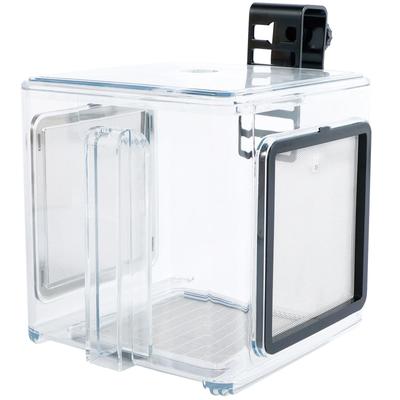
Aquatic Species Isolation And Hatchery Management Habitat transparent 5.91x5.91x5.91inOptimize your underwater ecosystem with the Aquatic Species Isolation and Hatchery Management Habitat. This professional grade nursery solution is meticulously engineered with a highclarity acrylic frame designed to provide total visual monitoring...94,97 $*Shipping: 0,00 $Secure redirect to the provider
-
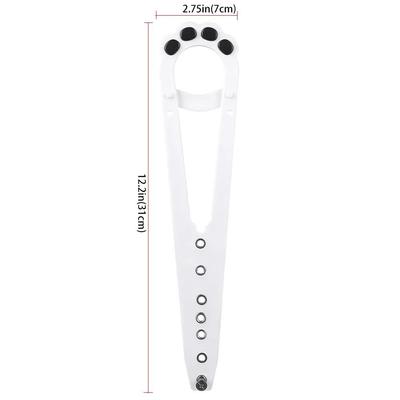
Pro Gap Inter Species Perimeter Lock 1 white BlackOptimize your multipet domestic logistics with the ProGap Perimeter Lock, a professionalgrade spatial management tool engineered with selectiveaperture logic. This highutility module features a specialized flexiblestrap architecture designed to...32,97 $*Shipping: 0,00 $Secure redirect to the provider
-
Underwater Diving And Aquatic Retrieval Set 4pcsEstablish a high level of aquatic management with this High Performance Hydrodynamic Shield. Engineered with a Reinforced Polymeric Structural Shield and a specialized fishshaped frame, this diving ring set is designed to provide a definitive...34,97 $*Shipping: 0,00 $Secure redirect to the provider
-
Waterproof Position Isolation Disconnect Switch Waterproof Position Isolation Disconnect SwitchWork with more confidence when your power setup needs safe, reliable control. This 1 pc of 35A disconnect switch is built for isolating electrical circuits in commercial, industrial, appliance, and workshop applications. Designed as a 440V isolation...57,97 $*Shipping: 0,00 $Secure redirect to the provider
-
How do isolation mechanisms create new species?
Isolation mechanisms create new species by preventing gene flow between populations, leading to genetic divergence over time. This can occur through various mechanisms such as geographic isolation, where physical barriers prevent individuals from different populations from mating, or through behavioral isolation, where differences in mating behaviors or preferences prevent successful reproduction. As populations become reproductively isolated, they can accumulate genetic differences that eventually lead to the formation of new species. Over time, these isolated populations may evolve into distinct species with unique characteristics and adaptations. **
-
What is selection and isolation?
Selection is the process by which certain traits or characteristics become more or less common in a population over time. This occurs as a result of environmental pressures, such as competition for resources or predation, which favor individuals with certain traits that make them better adapted to their environment. Isolation, on the other hand, refers to the separation of a population into different groups that are unable to interbreed. This can occur through geographic barriers, such as mountains or bodies of water, or through behavioral or genetic differences that prevent individuals from mating with one another. Both selection and isolation play key roles in the process of evolution by shaping the genetic makeup of populations over time. **
-
Types of aquatic plants
Aquatic plants can be categorized into several types based on their growth habits and habitat. Some common types of aquatic plants include floating plants, such as water lilies and duckweed, which float on the surface of the water. Submerged plants, like eelgrass and pondweed, grow entirely underwater and are rooted in the sediment. Emergent plants, such as cattails and bulrushes, have their roots underwater but their stems and leaves extend above the water's surface. These different types of aquatic plants play important roles in maintaining the health and balance of aquatic ecosystems. **
-
Is galvanic isolation the same as potential isolation?
Galvanic isolation and potential isolation are related concepts but not exactly the same. Galvanic isolation refers to the separation of two circuits to prevent current flow between them, typically achieved using a transformer or optocoupler. Potential isolation, on the other hand, refers to the elimination of voltage differences between two points, often achieved by connecting them through a high impedance path. While galvanic isolation can provide potential isolation, potential isolation can be achieved without galvanic isolation through techniques like differential signaling. **
Similar search terms for Aquatic-Species-Isolation-And
-
Aquatic Dream Solar Jellyfish Stakes Aquatic Dream Solar Jellyfish StakesBring the mesmerizing mystery of the deep sea to your doorstep with the AquaticDream Solar Jellyfish Stakes. These breathtaking landscape lights feature highclarity optical fiber strands that fan out into a graceful, bioluminescent silhouette....45,97 $*Shipping: 0,00 $Secure redirect to the provider
-
Colorful Light Bluetooth Wireless Headphones With HiFi Stereo Sound And Noise Isolation Colorful Light Bluetooth Wireless Headphones With HiFi Stereo Sound And Noise IsolationEnjoy every beat with headphones designed to bring style, comfort, and immersive sound into your daily routine. These Bluetooth wireless headphones combine vibrant light effects, clear stereo audio, and a builtin microphone for music, calls,...39,97 $*Shipping: 0,00 $Secure redirect to the provider
-
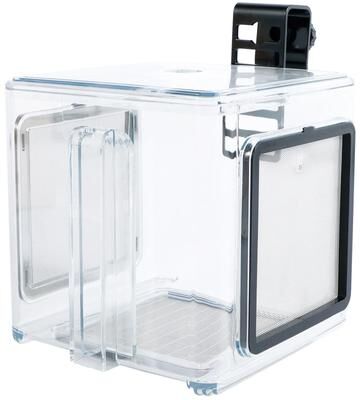
Uplifted Goods Aquatic Species Isolation And Hatchery Management Habitat transparent 5.91x5.91x5.91inOptimize your underwater ecosystem with the Aquatic Species Isolation and Hatchery Management Habitat. This professional grade nursery solution is meticulously engineered with a highclarity acrylic frame designed to provide total visual monitoring...94,97 $*Shipping: 0,00 $Secure redirect to the provider
-
Pro Gap Inter Species Perimeter Lock 2 white PurpleOptimize your multipet domestic logistics with the ProGap Perimeter Lock, a professionalgrade spatial management tool engineered with selectiveaperture logic. This highutility module features a specialized flexiblestrap architecture designed to...32,97 $*Shipping: 0,00 $Secure redirect to the provider
-
Could non-aquatic dinosaurs swim?
Some non-aquatic dinosaurs may have been capable of swimming, but it is unlikely that they were proficient swimmers. Fossil evidence suggests that some dinosaurs, such as Spinosaurus, may have spent a significant amount of time in the water and had adaptations for swimming. However, most non-aquatic dinosaurs were likely not well-suited for swimming and would have been limited in their ability to navigate through water. **
-
Why are flying and aquatic reptiles not considered dinosaurs?
Flying and aquatic reptiles are not considered dinosaurs because they belong to different groups of reptiles. Dinosaurs are a specific group of reptiles that lived on land and had specific anatomical features, such as upright posture and specialized hip joints. Flying reptiles, like pterosaurs, belong to a different group called Pterosauria, and aquatic reptiles, like ichthyosaurs and plesiosaurs, belong to groups outside of Dinosauria. While these reptiles lived during the same time period as dinosaurs, they are not classified within the same group. **
-
What is the difference between reproductive allopatric and sympatric isolation, and are all isolation mechanisms just subcategories?
Reproductive allopatric isolation occurs when populations are geographically separated and cannot interbreed, leading to genetic divergence and the evolution of reproductive barriers. On the other hand, reproductive sympatric isolation occurs when populations live in the same geographic area but do not interbreed due to factors such as differences in mating behaviors or preferences. While these are two distinct mechanisms of reproductive isolation, they are not necessarily subcategories of a larger isolation mechanism. Instead, they represent different ways in which populations can become reproductively isolated from each other. **
-
Can one overcome permanent isolation and loneliness?
Yes, it is possible to overcome permanent isolation and loneliness. By seeking support from friends, family, or mental health professionals, individuals can work towards building connections and relationships that can help alleviate feelings of isolation. Engaging in activities that bring joy and fulfillment, practicing self-care, and cultivating a positive mindset can also contribute to overcoming loneliness. It may take time and effort, but with persistence and a willingness to reach out for help, one can work towards overcoming permanent isolation and loneliness. **
* All prices are inclusive of VAT and, if applicable, plus shipping costs. The offer information is based on the details provided by the respective shop and is updated through automated processes. Real-time updates do not occur, so deviations can occur in individual cases. ** Note: Parts of this content were created by AI.